Why a Garden Visit Feels Different at Each Turn
A garden visit feels richer when you follow its paths at an unhurried pace, notice changing views and choose one feature to look for along the way.
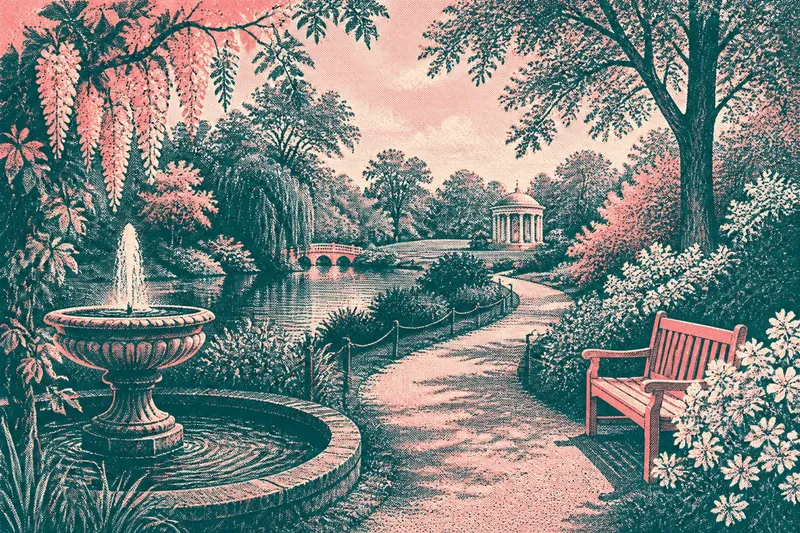
You leave the entrance beneath a bright stretch of sky, follow a gravel path around a hedge, and arrive beside a still pond with the sound of traffic gone. That shift is the pleasure of a garden visit: the place changes as you move through it. You do not need to see everything. Choose one feature to notice, then let the path reveal the rest.
A little planning can help you arrive with a calm pace rather than a private deadline. Think of the visit in three parts: before you go, while you are moving through the garden, and as you prepare to leave. Each part has a different job. None requires a strict itinerary.
What can you decide before you leave home?
Start by choosing the kind of outing you want. A garden can be a gentle walk, a place to sit with a book, an outing with children, or a chance to look closely at plants. The same grounds may suit all of those aims, but your attention will feel different depending on which one you bring.
Pick one feature as your thread through the visit. It might be the way paths bend, the changing shape of a view, the sound of water, or the contrast between open lawns and enclosed corners. Keep the choice broad enough to notice in different parts of the grounds. “Look for changing shade” leaves room for discovery; “find every flowering shrub” turns a leisurely visit into a hunt.
Check the garden’s visitor information for opening arrangements, access details, facilities and any areas that may be closed. If you are visiting with someone who uses a mobility aid, or with a pushchair, look for path surfaces and accessible route information before setting out. A phone note with the address, transport plan and a meeting point can be more useful than a detailed map of every turn.
Dress for the actual grounds. Gravel, damp grass, exposed paths and shaded benches call for different choices, so comfortable shoes and a light layer are often sensible. Bring water if you expect to be out for a while, and keep your bag easy to carry. There is little value in packing equipment for every possibility; a camera with several lenses, a notebook for every plant name and a strict list of must-see spots can take more attention than they give back.
How should you begin once you arrive?
Give yourself a moment at the entrance. Notice what is immediately visible, but do not decide that the first view tells you what the whole garden is like. A formal layout may open into a wilder path, while a quiet entrance can lead to a busy central lawn. Let your first impression be a starting point, not a verdict.
Then choose a direction that feels comfortable. If a map is available, use it to understand the broad layout and locate practical places such as toilets, seats or exits. You do not have to trace a route in advance. A map works best as a source of reassurance when a junction arrives, not as a demand to follow every marked path.
Walk at a pace that lets you register changes. When a path narrows, widens, curves or passes through a gate, pause long enough to see what that movement does to the view. A bend can hide a fountain until the last moment. A straight avenue may draw the eye towards a distant building. Neither effect needs a technical name to be enjoyable; notice what you can see from where you are.
Say you have an hour before meeting a friend for lunch. You choose the garden’s water features as your one thing to notice, but do not race from pond to pond. At the entrance, you hear a small fountain nearby. Later, a stream appears through trees, and near the exit a broad pool reflects the sky. The useful result is not a complete inventory. It is a clear sense of how water changes character as the paths carry you through the grounds.
What questions help you notice the garden as you walk?
Why do garden paths keep changing direction?
A curve can conceal what lies ahead, while a straight path gives a longer view. Watch how each turn changes your sense of distance and whether you feel invited to continue, pause or look back.
Where is the best place to stop and take in a view?
Look for a safe, comfortable spot that does not block the path, such as a bench, a widened corner or a permitted viewing area. A small change in position can bring a tree, building or stretch of water into view.
How can I enjoy a garden visit if I do not know plant names?
Notice colour, shape, scent, shade and the way plants sit together. If a label catches your eye, read it; there is no need to turn the whole visit into a lesson in identification.
What should I do when a path or garden area is closed?
Follow the posted signs and choose another open route. A closure may alter the sequence of views, but it need not end the visit; use the detour as a chance to notice a part of the grounds you would otherwise have missed.
How can you balance walking with stopping?
Think of movement and stillness as partners. A garden’s paths connect its spaces, but a view often becomes clearer when you stop. You might sit where you can see a lawn framed by trees, stand back from a border to take in its overall shape, or listen for birds after leaving a busy gathering point.
Try a simple rhythm: walk until a view or sound catches your attention, stop for a short while, then move on when you feel ready. This is not a timetable. It is a reminder that you can give a place more than a passing glance without staying until you feel obliged to leave.
If you are visiting with children or a group, agree on a natural pause point before people drift apart. A bench, a marked junction or the garden café can serve as a place to regroup. Let different people choose what to notice. One person may be drawn to a gate’s paintwork, another to the shapes of clipped hedges or the path’s crunch underfoot.
Take photographs only when they add something to your attention. A picture of a view can help you remember the way light fell across it, but taking a picture at every turn may make the visit feel like a series of stops for your phone. Also respect signs about photography, private areas and other visitors’ space.
What if the weather, crowds or your energy change?
Build flexibility into the outing. If a path is crowded, take a quieter open route rather than trying to push through. If a shower begins, look for a sheltered public spot or shorten the walk. In warm weather, shaded paths and places to sit may matter more than reaching a distant corner. Follow any garden guidance about weather-related closures or conditions.
Your chosen feature can adapt, too. If you planned to notice distant views and mist closes them, watch how the garden feels at close range: wet leaves, softened outlines or the sound of footsteps on a path. If your legs tire, let the feature come to you from a seat. A visit is not less complete because you change the plan to suit the day.
Do not feel compelled to collect every detail. Plant labels, seasonal displays, historic structures and tucked-away corners may all be appealing, but trying to absorb them at once can flatten the differences between places. The single-feature approach is useful precisely because it gives your attention a home while leaving the rest of the garden free to surprise you.
How do you finish the visit without rushing?
As you approach the exit, pause to notice whether your chosen feature changed along the way. A path may have seemed like a simple route at first, then become a sequence of glimpses. A shaded corner may have felt cool and separate from the open lawn. You do not need to write down a conclusion; simply recognise what stayed with you.
Check that you have your belongings, and use the facilities or café if needed before leaving the grounds. If you met someone there, confirm your next meeting point rather than assuming everyone has the same exit in mind. A small practical check makes the end of the outing easier, especially in a large garden with more than one gate.
For your next garden visit, keep the same gentle structure but choose a different thread. If you followed changing views today, you might notice sounds next time; if you watched the paths, you could look at where shade gathers. A garden visit feels different at each turn because its spaces unfold in sequence, and because you arrive ready to see something in particular. Leave one thing unplanned, too: the best detail may be the one you meet on the way out.