Cast-Iron Skillet or Baking Dish for a Shared Supper?
Choose a cast-iron skillet or baking dish for shared supper by matching the vessel to the dish’s texture, cooking method and serving plan at the table.
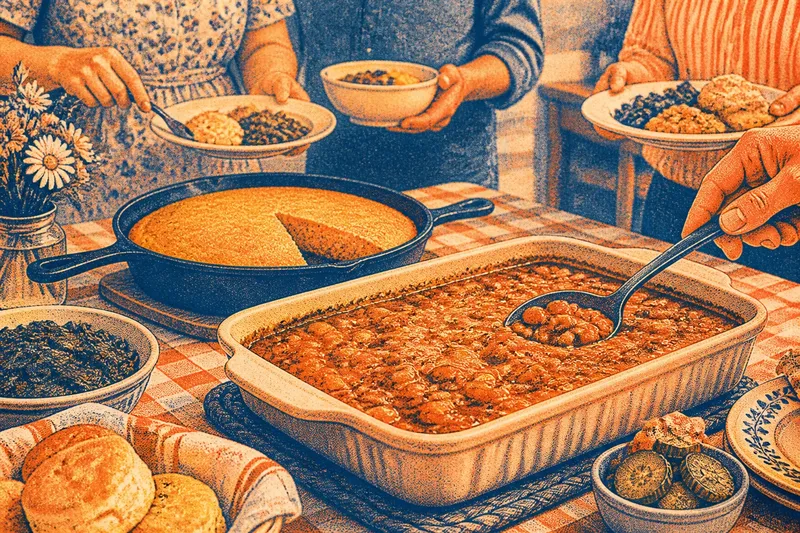
The cornbread is ready, the beans are bubbling, and everyone is looking for somewhere to set down a serving spoon. Choosing a cast-iron skillet or baking dish for shared supper can affect cooking and serving, so match the vessel to the food and the way people will eat it.
Why might food stick to a cast-iron skillet?
A skillet can suit cornbread, browned vegetables or a shallow supper that benefits from a crisp underside. Food may stick if the pan is poorly seasoned, the surface is too cool when ingredients go in, or a delicate mixture is lifted before it has set.
Consider the food’s texture before changing the recipe. Firm spoonbread or skillet potatoes can be served in sturdy portions; a creamy casserole may cling to the pan and break apart when scooped. A baking dish can be a less fussy serving surface for fragile food.
If cast iron suits the recipe, use a well-seasoned skillet and the cooking fat specified or suited to the dish. Warm it as the recipe directs, then let the food set before loosening the edges with a thin spatula. Avoid scraping at a soft centre just because the top looks ready.
How do the vessels affect browning?
The result depends on the recipe, pan construction, oven and how the food sits in the vessel. A cast-iron skillet’s heat retention can help produce a browned base, but the degree and evenness of browning vary with those conditions. It is not a rule that the part touching the pan will always brown faster than the top.
A dark metal baking dish may colour edges differently from a pale ceramic one. Match the vessel to the texture you want, and check the manufacturer’s directions for oven use and temperature limits; glass and ceramic are not interchangeable in every situation.
If the edges are browning before the centre is done, avoid turning up the heat. Consider another vessel next time, or follow the recipe’s guidance for covering the dish. A shallow dish may expose more surface for a browned top without relying on the skillet to cook a thick meal evenly.
Which vessel is easier to serve at the table?
A skillet’s sloped sides make it handy for stirring, frying and spooning, but less convenient for cutting neat squares. Its handle also takes up room on a crowded table. A rectangular baking dish keeps portions in orderly rows and can sit neatly beside bowls of greens, biscuits or pickles.
Think about how guests will serve themselves. A spoon-friendly stew or loose vegetable mixture suits a skillet; layered pasta, spoonbread or a casserole that should hold its shape may be simpler in a baking dish. Put either vessel on a trivet, and point a skillet’s handle away from the busiest part of the table. Cast iron stays hot after leaving the oven, so choose a safe, stable place for it.
Say you are bringing a bubbling tomato-and-bean bake to a neighbour’s potluck, where the table is crowded. If the beans are loose and guests will spoon them into bowls, a skillet’s broad opening may help. If you want tidy portions beside salad, a rectangular baking dish is likely to make serving easier.
What if the skillet feels too heavy?
A full cast-iron skillet can be awkward to lift, particularly if it is wide or filled close to the rim. That matters if you need to carry it from oven to table or expect guests to pass it around. A lighter baking dish may be more comfortable for a large casserole, especially when the table is far from the kitchen.
Do not pass a hot skillet hand to hand. Set it on a heatproof surface and let people serve from it in place. If lifting it may be uncomfortable, divide the food between smaller oven-safe vessels before cooking, following the recipe’s directions for time and doneness.
What is not worth the effort? Buying a specialised pan for one occasional supper, or transferring a sturdy dish to another vessel for looks alone. Cooking needs and a comfortable serving arrangement matter more than matching the tableware.
How do you choose a cast-iron skillet or baking dish?
- Check the recipe’s cooking method. If it calls for stirring or direct contact with the pan, then choose a skillet; if the food is layered and should sit undisturbed, choose a baking dish instead.
- Check the texture you want. If a crisp base is part of the plan, then consider a skillet; if a tender centre and easy scooping matter more, choose a baking dish instead.
- Check the food’s shape. If it can be served in sturdy portions, then a skillet may suit; if it needs neat squares or layers, choose a rectangular baking dish instead.
- Check the oven guidance. If the vessel is confirmed suitable for the recipe’s oven conditions, then use it; if its material or handle is not cleared for that use, choose a suitable alternative.
- Check the serving space. If the handle would crowd the table, then use a baking dish instead; if there is clear, stable space for the skillet, it may work well.
- Check the lift and carry. If the filled skillet would be awkward to move, then leave it on a safe surface for serving or choose a lighter dish instead.
Imagine you have a bean bake with loose sauce, a recipe that calls for oven cooking, and a crowded potluck table. First, you check the skillet’s oven guidance and find it suits the recipe; that keeps it in consideration. Next, you decide guests will spoon the beans into bowls, which favours the skillet’s open shape. Finally, you notice its handle would intrude on the serving space, so you choose a suitable baking dish instead and set it on a stable surface. The trade-off is losing some of the skillet’s direct-contact browning potential in favour of easier placement and serving.
What should you know about skillet versus baking dish?
Can I bake a casserole in a cast-iron skillet?
Often, yes, if the recipe fits and the skillet’s handle is rated for the oven conditions. Follow the recipe and manufacturer guidance, and leave room for bubbling or stirring if needed.
Is a baking dish better for cornbread?
Either can suit cornbread, depending on the crust and shape you want. A skillet may help develop a more pronounced browned base under suitable conditions, while a baking dish can make neat portions easier to serve.
Can a hot skillet go straight onto the supper table?
It can, if it rests on a stable, heatproof trivet and the handle is kept clear of passing hands. Warn diners that the metal remains hot after it leaves the oven.
How do I choose a vessel for a potluck?
Consider the journey, serving utensil and portion style. A baking dish may be easier to carry and scoop from, while a skillet may suit food intended to be served directly from it; secure either vessel appropriately for transport.
For a cast-iron skillet or baking dish, let the supper decide: crisp edges and easy stirring may favour the skillet, while delicate layers and tidy portions often suit the baking dish. Check the recipe and vessel guidance, then leave room for a stable trivet and a serving spoon that fits.